

Complete Australian School Science Lab Guide from Wiltronics
March 2, 2026
Complete Australian School Science Lab Guide from Wiltronics
Building a Future-Ready School Science Lab
A modern Australian school science lab must do more than hold glassware and Bunsen burners. It must support:
-
Australian Curriculum (ACARA) Years 5–10 Science
-
VCAA Physics Units 1–4
-
Chemistry depth studies
-
Practical STEM & robotics programs
-
Safe, repeatable, curriculum-aligned experimentation
For over 50 years, Wiltronics has supported Australian schools with practical, durable, and education-aligned equipment — from foundational lab consumables to advanced robotics systems.
This guide outlines the essential categories every secondary school should prioritise in 2026.
6. Building a Vertically Integrated Science Program
A modern Australian school science department should be structured:
| Year Level | Focus | Equipment Category |
|---|---|---|
| Years 5–6 | Intro experiments | Plastic labware, simple circuits |
| Years 7–8 | Structured investigations | Glassware, magnet kits, optics |
| Years 9–10 | Analytical depth | Power supplies, multimeters |
| VCE Units 1–4 | Advanced analysis | Oscilloscopes, advanced kits |
| STEM Electives | Engineering | Robotics & programmable systems |
Wiltronics supports the full ladder — not just isolated products.
1. Core Chemistry Infrastructure
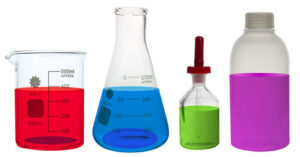
A chemistry lab lives or dies on reliable infrastructure.
Essential Foundation Equipment:
Curriculum Alignment
-
ACSSU117 – Properties of matter
-
ACSSU182 – Chemical change
-
VCAA Chemistry Units 1–4 – Experimental design & analysis
High-rotation consumables like beakers, cylinders and clamps are repeat-purchase items — making them ideal anchor SKUs for ongoing school supply cycles.
2. Physics Demonstration & Investigation Equipment
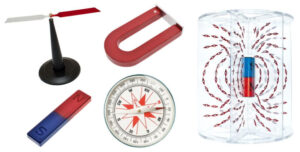
Physics requires equipment that makes invisible forces visible.
Key Demonstration Categories:
Curriculum Alignment
-
ACSSU190 – Energy conservation
-
ACSSU229 – Forces & motion
-
VCAA Physics Units 1–4 – Fields, electricity, motion & energy
Well-designed physics demonstrations increase student comprehension and teacher confidence — especially in VCE-level classes.
3. Robotics & STEM Integration
One of the strongest engagement tools for Years 7–10 technology and physics integration is a programmable robot arm system.
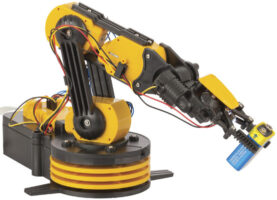
Robot Arm Kit (Classroom Ready)
Ideal for:
-
Coding integration
-
Applied physics (torque, levers, motors)
-
Engineering design challenges
-
Mechatronics introduction
Robotics bridges:
-
Science
-
Digital Technologies
-
Engineering principles
-
Problem-solving skills
High engagement = high perceived value for schools.
4. Electrical & Measurement Equipment
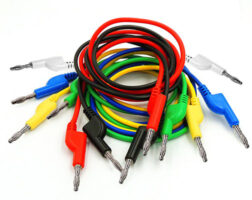
Measurement accuracy separates demonstration from experimentation.
Core Lab Electrical Equipment:
These products:
-
Support VCE Physics practicals
-
Enable safe current/voltage testing
-
Reinforce electrical theory through hands-on validation
Electrical accessories (banana plugs, leads) are repeat-purchase consumables — strong anchor SKUs.
5. Safety & Compliance Equipment
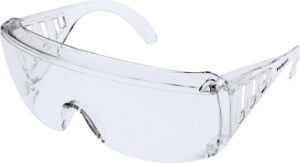
Every lab must prioritise WHS compliance.
Essential Safety Categories:
Schools increasingly audit:
-
Storage procedures
-
Chemical labelling
-
PPE compliance
Reliable suppliers reduce administrative burden and compliance risk.
Why Schools Choose Wiltronics
-
50+ years serving Australian science education
-
ISO 9001 accredited systems
-
Australian Made licensed products
-
11,000+ SKUs available online
-
Fast national shipping
-
Education account support
As schools prepare for 2026 budgets, partnering with a supplier that understands curriculum alignment and long-term lab development is critical.
Final Thought
A science lab is not a room full of equipment.
It is an ecosystem designed to:
-
Inspire curiosity
-
Support curriculum
-
Deliver measurable outcomes
-
Prepare students for tertiary pathways
Invest strategically. Build vertically. Choose equipment that scales from Year 7 through VCE.
© Electrotech Brands Pty Ltd 2026
Write a Comment
You must be logged in to post a comment.