

STEM Equipment for Schools Australia | Arduino, Robotics & STEM Kits
June 22, 2026
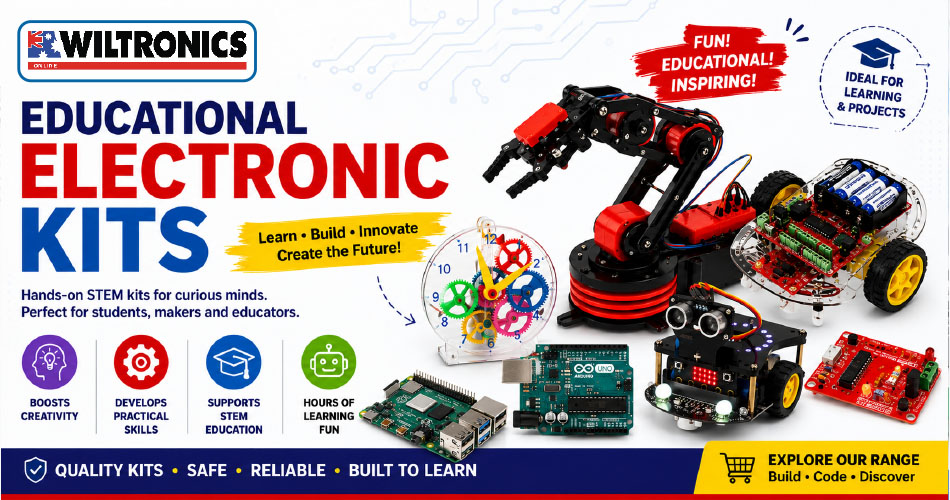
Essential STEM Equipment for Schools Australia
STEM education helps students build the practical, technical and problem-solving skills needed for a rapidly changing world. By combining science, technology, engineering and mathematics, STEM learning encourages students to design, build, test and improve solutions to real-world challenges.
Modern STEM classrooms go beyond theory. Students are increasingly using coding platforms, robotics kits, electronic components, sensors, microcontrollers and maker resources to explore how technology works and how ideas can be turned into functioning projects.
For more than 50 years, Wiltronics has supplied Australian schools with science equipment, electronics, educational technologies and practical learning resources that support hands-on STEM education. From introductory maker activities through to advanced robotics and Arduino-based projects, quality STEM equipment helps students transform ideas into working solutions.
Supporting the Australian Curriculum
The Australian Curriculum supports the development of critical and creative thinking, digital technologies, design processes and practical problem-solving skills. STEM education provides a natural framework for bringing these capabilities together through authentic, hands-on learning experiences.
STEM activities help students:
- Apply scientific knowledge to practical challenges
- Develop engineering and design thinking skills
- Learn coding and computational thinking
- Strengthen mathematical reasoning
- Improve collaboration and communication
- Build digital literacy
- Explore emerging technologies
- Connect classroom learning with future careers
Wiltronics supplies a broad range of Arduino, robotics kits and accessories, educational electronic kits, Tekky STEM kits and Make & Create resources that help schools deliver engaging STEM programs across multiple year levels.
Why STEM Education Matters
STEM education encourages students to become active creators rather than passive learners. Instead of only studying scientific or mathematical ideas, students apply them through building, programming, testing and improving practical solutions.
Hands-on STEM activities help students:
- Develop problem-solving skills
- Learn through experimentation
- Build resilience through iterative design
- Understand engineering processes
- Explore coding and automation
- Improve digital literacy
- Develop innovation and creativity
- Strengthen teamwork and communication
By designing, testing and refining solutions, students experience the same processes used by engineers, programmers, scientists and technology professionals.
Essential STEM Equipment for Schools
Modern STEM programs combine electronics, coding, robotics, engineering and maker-based learning to create engaging educational experiences. Schools often use a combination of structured kits, open-ended project materials and programmable technologies to support creativity, experimentation and practical problem solving.
Wiltronics supplies STEM equipment across key learning areas, helping schools develop practical programs that support future-focused education.
The major categories of STEM equipment used in schools include:
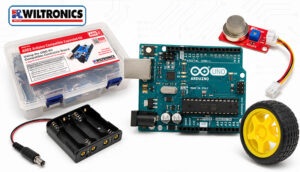
Arduino and Microcontroller Platforms
Microcontrollers have become one of the most valuable tools in modern STEM education because they allow students to combine coding, electronics, engineering and problem-solving within a single learning platform.
Arduino boards are widely used in schools because they are flexible, accessible and capable of supporting projects ranging from simple LED circuits through to sophisticated environmental monitoring and automation systems.
Unlike purely screen-based programming activities, Arduino projects provide immediate physical feedback. Students can write code, upload programs and see real-world results through lights, sensors, displays, motors and automated systems.
Recommended resources:
- Arduino
- Arduino Uno Development Boards
- Arduino Nano Development Boards
- Arduino Starter Kits
- Arduino-Compatible Sensors
- Arduino Modules
- Arduino Accessories
Students develop:
- Coding skills
- Electronics knowledge
- Sensor integration
- Data collection
- Automation principles
- Computational thinking
Typical classroom projects include:
- Traffic light systems
- Temperature monitoring
- Smart lighting systems
- Environmental monitoring stations
- Automated alarms
- Data logging projects
Arduino provides a practical bridge between science, engineering and technology while helping students gain confidence working with real-world electronic systems.
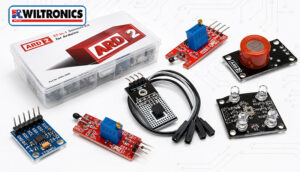
Sensors and Data Collection
Data collection is a core component of modern STEM education. Sensors allow students to gather real-world information, analyse results and make evidence-based decisions while developing valuable scientific and technical skills.
Sensor-based projects help students understand how technology is used to monitor and interact with the world around them. These activities naturally combine science, mathematics, engineering and digital technologies into a single learning experience.
Recommended resources:
- Arduino-Compatible Sensors
- Temperature Sensors
- Light Sensors
- Audio Sensors
- Motion Sensors
- Environmental Sensors
- 37 in 1 Sensor Kit
Students develop:
- Measurement skills
- Data analysis techniques
- Scientific investigation skills
- Automation knowledge
- Environmental monitoring capabilities
- Problem-solving skills
Common STEM investigations include:
- Weather stations
- Greenhouse monitoring
- Smart irrigation systems
- Room occupancy sensors
- Energy efficiency projects
- Environmental data collection
Sensor projects help students understand how technology can be used to collect information and solve practical challenges.
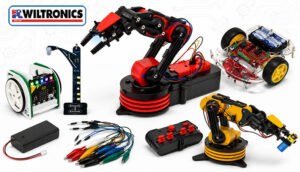
Robotics and Automation Resources
Robotics is one of the most engaging areas of STEM education because it combines programming, engineering, electronics and design thinking into highly interactive projects.
Building and programming robots encourages students to experiment, test ideas and refine solutions while developing an understanding of how software and hardware work together.
Recommended resources:
Students develop:
- Programming skills
- Engineering design capabilities
- Teamwork and collaboration
- Systems thinking
- Troubleshooting skills
- Innovation and creativity
Typical projects include:
- Obstacle avoidance robots
- Line-following robots
- Autonomous vehicles
- Robotic arms
- STEM competition projects
- Automation challenges
Robotics provides a practical and highly motivating way for students to develop future-ready STEM skills.
Educational Electronic Kits
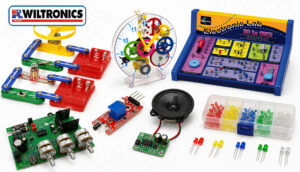
Educational electronic kits provide students with hands-on experience building and understanding electronic circuits.
These projects introduce fundamental concepts such as voltage, current, resistance, switching and circuit design while developing practical construction skills.
Recommended resources:
- Educational Electronic Kits
- Circuit Kits
- Tekky Kits
- STEM Electronics Projects
- Educational Construction Kits
Students develop:
- Circuit design knowledge
- Component identification skills
- Electrical theory understanding
- Practical assembly techniques
- Fault-finding and troubleshooting skills
Typical projects include:
- Electronic games
- Alarm systems
- LED projects
- Sound generators
- Educational electronics experiments
- Introductory engineering activities
Electronic kits provide an excellent pathway into engineering, technology and electronics education.
Tekky STEM Kits
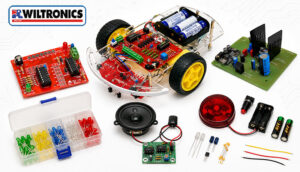
Engineering design is at the heart of STEM learning because it encourages students to create solutions to real-world problems.
Rather than simply following instructions, students are challenged to design, test, evaluate and improve their ideas using an iterative design process similar to that used by professional engineers.
Recommended resources:
- Tekky STEM Kits
- 12V DC Stereo Power Amplifier with Bluetooth
- Moisture Sensor Kit
- Doorbell Kit
- Siren and Raygun Kit
Students develop:
- Design thinking
- Structural analysis
- Problem-solving skills
- Project planning
- Collaboration
- Innovation
Popular engineering challenges include:
- Bridge construction
- Tower design
- Load-bearing structures
- Renewable energy projects
- Vehicle design challenges
- Prototype development
Engineering projects help students understand that successful innovation often involves experimentation, evaluation and continuous improvement.
Coding and Computational Thinking
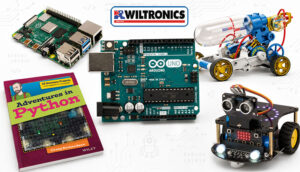
Coding is increasingly recognised as a foundational skill that supports learning across science, technology, engineering and mathematics.
Computational thinking teaches students how to analyse problems, identify patterns and develop logical solutions that can be implemented through programming.
Recommended resources:
Students develop:
- Logical reasoning
- Algorithmic thinking
- Programming skills
- Problem decomposition
- Debugging techniques
- Digital literacy
Coding activities support a wide range of STEM applications and help students build confidence using technologies that are increasingly important across almost every industry.
STEM Learning Through Project-Based Education
One of the greatest strengths of STEM education is its ability to connect learning across multiple disciplines through practical projects.
Rather than teaching science, technology, engineering and mathematics as isolated subjects, STEM projects encourage students to integrate knowledge and apply it to authentic challenges.
Students may combine coding, electronics, engineering and scientific investigation within a single project, developing a deeper understanding of how different disciplines work together.
Examples include:
- Environmental monitoring systems
- Smart irrigation projects
- Robotics competitions
- Automated lighting systems
- Weather stations
- Engineering design challenges
- Renewable energy investigations
- Data collection projects
These experiences help students develop confidence, resilience and creativity while preparing them for future learning opportunities and technology-driven careers.
Together, Arduino platforms, sensors, robotics, electronic kits, engineering projects and coding activities provide schools with the resources needed to deliver engaging, practical and future-focused STEM education that supports innovation, critical thinking and lifelong learning.

Why Schools Choose Wiltronics for STEM Education
For more than 50 years, Wiltronics has supplied Australian schools with practical science, electronics and technology resources that support hands-on learning and future-focused education.
Schools choose Wiltronics because of:
- More than 50 years of experience supporting Australian education
- Extensive range of STEM, electronics and educational technology products
- Strong Arduino and microcontroller expertise
- Comprehensive robotics and automation solutions
- Educational electronics kits suitable for all experience levels
- Practical maker and engineering resources
- Australian-based technical support
- Reliable stock availability and fast dispatch
- Solutions for primary schools, secondary schools, TAFEs and universities
Unlike many traditional science suppliers, Wiltronics combines science equipment, electronics, engineering resources and educational technology under one roof. This unique combination makes it easier for schools to build integrated STEM programs that connect science, coding, engineering and problem-solving into a single learning pathway.
Whether you’re introducing coding in primary classrooms, expanding robotics programs or developing advanced engineering projects, Wiltronics provides the products, expertise and support needed to help students succeed.
Additional Resources for Schools
Explore these related resources to support science, technology and STEM learning:
- Science Equipment for Schools Australia
- School Science Supplies Australia
- Essential Physics Equipment for Schools
- Essential Biology Equipment for Schools
- Essential Chemistry Equipment for Schools
- Arduino for Education
- Robotics in the Classroom
- Electronics Projects for Schools
- STEM Learning Resources
- Laboratory Equipment and Consumables
Together, these resources can help educators identify curriculum-aligned equipment, develop engaging classroom projects and build comprehensive STEM programs that encourage creativity, innovation and inquiry-based learning.
Frequently Asked Questions
What equipment is needed for STEM education?
Most STEM programs benefit from a combination of coding platforms, robotics kits, electronics projects, engineering challenges and maker resources that allow students to design, build and test practical solutions.
What is the best STEM equipment for primary schools?
Primary schools often begin with STEM challenge kits, maker activities, introductory electronics projects and engineering challenges that encourage creativity and hands-on problem solving.
How can Arduino be used in schools?
Arduino platforms can be used to teach coding, electronics, automation, environmental monitoring, robotics and data collection through practical project-based learning activities.
Why are robotics important in STEM education?
Robotics combines programming, engineering and design thinking while helping students develop teamwork, computational thinking and problem-solving skills.
What are educational electronic kits?
Educational electronic kits provide practical experience with circuits, components and electrical systems, helping students understand how technology works through hands-on construction projects.
How do STEM activities support the Australian Curriculum?
STEM projects help students apply scientific knowledge, engineering principles, mathematics and digital technologies through authentic investigations and problem-solving activities.
What skills do students develop through STEM education?
Students develop critical thinking, creativity, collaboration, coding, engineering design, communication, digital literacy and problem-solving skills.
Why is project-based learning effective in STEM?
Project-based learning encourages students to apply knowledge, test ideas, evaluate results and refine solutions, creating deeper engagement and stronger learning outcomes.
What is the difference between STEM and traditional science education?
Traditional science often focuses on understanding concepts, while STEM encourages students to apply knowledge through designing, building, coding, testing and solving real-world challenges.
Can STEM equipment be used across multiple subjects?
Yes. Many STEM resources support learning across science, mathematics, digital technologies, engineering and design subjects, making them valuable investments for schools.
Explore STEM Equipment for Schools
From Arduino platforms and robotics kits through to electronics projects, engineering challenges and maker resources, Wiltronics provides Australian schools with the tools needed to deliver engaging, practical and future-focused STEM education.
Whether you’re introducing STEM concepts in primary classrooms, expanding coding and robotics programs in secondary schools or developing advanced engineering and automation projects, the right equipment can help students build confidence, develop problem-solving skills and explore the technologies shaping the future.
Explore the full range of Arduino, Robotics Kits & Accessories, Educational Electronic Kits, Tekky STEM Kits and Make & Create resources available from Wiltronics and discover why Australian educators have trusted Wiltronics for science, electronics and technology education for more than 50 years.
© Electrotech Brands Pty Ltd 2026
Write a Comment
You must be logged in to post a comment.