

Bulk STEM and Electronics Supplies for Schools: A Practical Buying Guide
May 14, 2026
Bulk STEM and Electronics Supplies for Schools: A Practical Buying Guide
A well-equipped STEM classroom depends on more than one good kit. For electronics, robotics, coding, and design projects to run smoothly, schools need a reliable mix of reusable kits, everyday components, test equipment, replacement parts, and storage-ready classroom supplies.
The best bulk electronics order should help students build, test, troubleshoot, pack down, and repeat projects across multiple classes. It should also make life easier for teachers by reducing missing parts, lesson delays, and last-minute restocking.
For schools planning a new STEM program, expanding an electronics lab, preparing a makerspace, or organising a term restock, this guide outlines the most useful product categories to include in a bulk Wiltronics order.
Start with a clear classroom buying goal
Before choosing products, decide how the equipment will be used. A Year 5 coding class, a Year 8 robotics unit, a senior electronics bench, and a school makerspace all need different supplies.
A good starting question is:
Do students need to learn coding, circuits, robotics, measurement, prototyping, or all of these?
For most schools, the strongest order includes four layers:
- Core electronics components for everyday circuit work
- Microcontroller kits for coding and physical computing
- Robotics and sensor products for project-based learning
- Test equipment and tools for troubleshooting and maintenance
This layered approach helps schools avoid over-spending on one exciting product while under-buying the small parts that keep lessons running.
1. Arduino-compatible kits for structured electronics learning
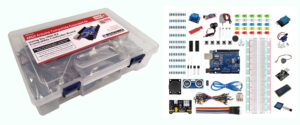
Arduino-compatible kits are a strong choice when students are ready to combine coding with real circuit building. They support hands-on lessons using LEDs, switches, buzzers, sensors, displays, motors, and other electronic components.
The ARD2 Arduino Compatible Expanded Kit – UNO R3 with 24 Projects is one of the strongest Wiltronics options for schools because it supports a guided project pathway rather than leaving teachers to build every activity from loose parts.
This makes it suitable for schools that want structured lessons, repeatable activities, and a clear progression from simple circuits into more advanced projects.
For a more compact starting point, schools can also compare options in the Arduino Bundles & Starter Kits category. This is useful when planning class sets, extension kits, or staged purchasing across year levels.
Best for:
Digital Technologies, Design and Technologies, electronics, coding, STEM clubs, project-based learning, and senior primary to secondary pathways.
2. Micro:bit for beginner-friendly coding and physical computing
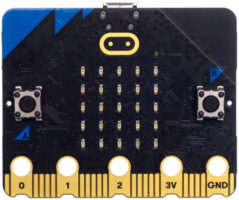
BBC Micro:bit is a strong option for schools introducing students to coding, simple electronics, sensors, and robotics. It is especially useful for younger learners or classes where teachers want students to see quick results before moving into more complex wiring.
Wiltronics also carries Micro:bit kits that support ready-to-use classroom activities. These can help teachers build a pathway from beginner coding into physical computing, simple control systems, and student-designed projects.
Best for:
Upper primary, junior secondary, coding clubs, introductory robotics, wearable technology, creative coding, and low-barrier STEM lessons.
3. Robotics kits for engagement and extension
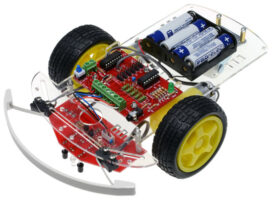
Robotics is often one of the most engaging ways to connect coding, electronics, mechanical design, sensors, and problem-solving. It gives students a visible result: the robot moves, reacts, follows a line, avoids an obstacle, or completes a challenge.
Wiltronics’ robotics kits category includes options for classroom robotics, programmable projects, mobile robots, robotic arms, and STEM challenges.
For Micro:bit-based robotics, the Micro:bit Robotics category is especially useful. It includes products suited to buggy kits, line-following projects, Micro:bit-compatible robots, activity mats, traffic light projects, and other extension activities.
Best for:
STEM extension, robotics clubs, competition preparation, Year 7–10 projects, design challenges, holiday programs, and enrichment groups.
4. Breadboards, jumper wires, leads, and everyday components
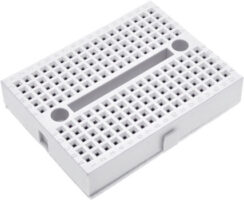
Small parts are where many school electronics programs become difficult to manage. Breadboards, jumper wires, LED packs, resistor packs, push button switches, piezo buzzers, battery holders, and alligator clip jumper leads are used constantly.
They are also the parts most likely to be lost, damaged, mixed between kits, or left inside half-finished projects.
This is why schools should treat everyday components as bulk consumables, not one-off purchases. For practical classroom use, plan around repeat use across multiple classes rather than a single project.
A practical class setup might include:
- one breadboard per student pair or group
- several jumper wire sets per class
- bulk LEDs and resistors
- switches, buzzers, potentiometers, and pushbuttons
- battery holders and suitable power accessories
- alligator clip leads and connection leads
- labelled storage trays or tubs
Best for:
Every electronics lesson. These are the supplies that prevent delays and keep kits usable across the year.
5. Multimeters and test leads for troubleshooting
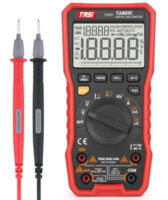
Every electronics classroom should teach students how to test circuits, not just build them. Multimeters and accessories help students and teachers measure, diagnose, and troubleshoot circuit behaviour.
For schools, it is also worth buying spare multimeter test leads. Leads, clips, and probes are high-use accessories, and having spares reduces the chance of a lesson being delayed because a meter cannot be used properly.
Alligator clip leads are also useful for quick testing, demonstrations, and temporary circuit connections, especially in junior electronics and practical STEM activities.
Best for:
Electronics labs, senior STEM, troubleshooting activities, technician benches, science departments, robotics maintenance, and student diagnostics.
6. Tools and test equipment for labs, makerspaces, and senior programs
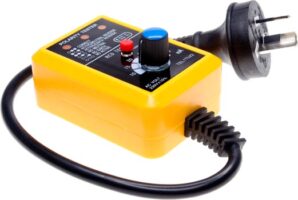
Beyond basic classroom supplies, schools may also need higher-level tools and test equipment. This is especially important for senior electronics, VET programs, makerspaces, repair benches, science labs, and technology departments.
Wiltronics’ Tools & Test Equipment range can support measuring, testing, building, maintaining, and repairing electronic systems.
This equipment may not be needed in a full class set, but it is valuable for teacher demonstrations, technician use, repair work, and advanced student projects.
Best for:
School labs, senior secondary electronics, makerspaces, repair areas, club equipment, and demonstration benches.
How to plan quantities for a school order
For larger school orders, quantity planning is just as important as product selection. A practical approach is to plan around student groups, not just total enrolment.
For a class of 24 students, many schools work with 8–12 groups depending on whether students work in pairs or groups of three. That means a useful class set might include:
- 8–12 microcontroller kits or robotics kits
- 8–12 breadboards
- 8–12 sets of jumper wires
- several shared multimeters
- spare test leads and alligator clips
- bulk LEDs, resistors, switches, buzzers, and batteries
- labelled storage for each group or project tub
Schools running multiple classes should also plan for replacement stock. Small components are frequently lost, mixed between kits, or damaged through normal classroom use. Buying spare parts at the same time as class sets can reduce mid-term disruptions and help keep equipment consistent across year levels.
For procurement teams, this approach makes it easier to build an order around actual teaching needs: class sets, shared equipment, consumables, replacement stock, and extension projects.
Recommended bulk order structure
For a practical school order, build around class sets and replacement stock rather than single demonstration units.
Essential classroom layer
- Breadboards
- Jumper wires
- LEDs 3mm 5mm Tekky Pack 5 Colours 200pcs
- 1/4 Watt 5% Carbon Film Resistors Pack – 850 pcs
- Push Button Switches
- Piezo Buzzers
- 4 x AA Battery Holder with DC Plug Lead
- Alligator Clip Jumper Leads (Set of 10)
- 15 Compartment Parts Box
Coding and microcontroller layer
- Arduino-compatible kits
- BBC Micro:bit boards and kits
- USB cables
- Battery packs and batteries
- Arduino-compatible sensor modules
- Arduino-compatible modules and accessories
- DC motors
- Motor driver modules
Robotics and project layer
- Micro:bit robotics kits
- Robotics kits
- Line-following and movement modules
- Ultrasonic and movement sensors
- Servo motors
- Motors, wheels, gears, pulleys and simple machines
- Micro:bit accessories, cables and parts
Testing and maintenance layer
- Multimeters and accessories
- Multimeter test leads
- Alligator Clip Jumper Leads (Set of 10)
- Power supplies
- Bench power supplies
- Hand tools and test equipment
- Computer leads and accessories
- Electronic spare parts and components
This structure helps schools purchase for real classroom use rather than isolated activities.
Bulk order checklist for schools
Before finalising a school STEM or electronics order, check that the cart covers:
- class sets for student groups
- spare consumables for lost or damaged parts
- enough leads, cables, and power accessories
- storage for group kits and loose components
- test equipment for troubleshooting
- extension products for robotics, sensors, or advanced projects
- replacement stock for future terms
For larger school, lab, club, or makerspace orders, use this guide as a starting checklist and build a Wiltronics cart around class sets, spare parts, consumables, and replacement stock.
Related Wiltronics products and categories
- Arduino Bundles & Starter Kits — best for structured coding and electronics class sets.
- ARD2 Arduino Compatible Expanded Kit – UNO R3 with 24 Projects — best for guided Arduino-compatible STEM learning.
- BBC Micro:bit Starter Kits & Accessories — best for beginner-friendly coding and physical computing.
- Micro:bit Kits — best for ready-to-use Micro:bit learning activities.
- Micro:bit Robotics — best for buggy kits, line-following activities, and Micro:bit robotics extension.
- Robotics Kits — best for classroom robotics, programmable cars, mobile robots, and STEM challenges.
- Multimeters & Accessories — best for testing, troubleshooting, and electronics lab work.
- Multimeter Test Leads — best for maintaining class sets of working meters and safe testing accessories.
- Tools & Test Equipment — best for labs, makerspaces, technician benches, and senior electronics programs.
Curriculum relevance
Bulk electronics and STEM supplies can support practical learning across Digital Technologies, Design and Technologies, Science, engineering, coding, data collection, prototyping, and systems thinking.
The strongest curriculum connections include:
- designing and producing digital or engineered solutions
- investigating circuits, inputs, outputs, and control systems
- collecting data using sensors
- programming microcontrollers
- testing, debugging, and evaluating prototypes
- applying safe equipment use and problem-solving processes
For exact curriculum mapping, schools should confirm current ACARA or state/territory requirements for the relevant year level and subject.
FAQ
What should a school buy first for a STEM electronics classroom?
Start with breadboards, jumper wires, LEDs, resistors, switches, buzzers, battery holders, multimeters, and storage. Then add Arduino-compatible kits, Micro:bit kits, sensors, and robotics products based on the year level and learning goals.
Should schools choose Arduino-compatible kits or Micro:bit?
Micro:bit is often better for beginner coding and younger learners. Arduino-compatible kits are better when students are ready to work more deeply with wiring, circuits, components, and sensors. Many schools use Micro:bit first, then move students into Arduino-compatible projects.
How many electronics kits should a school buy?
For practical lessons, one kit per pair or small group is usually more useful than a single demonstration kit. For a class of 24 students, that often means planning for 8–12 student groups, plus spare leads, components, and replacement parts.
Are robotics kits worth buying in bulk?
Yes, when they support a clear teaching goal. Robotics kits are especially useful for STEM clubs, design challenges, coding extension, competitions, and project-based learning. For a new program, buy core electronics supplies first, then add robotics as an extension layer.
Why do schools need multimeters?
Multimeters help students test and troubleshoot circuits. They also teach practical electronics habits, including checking voltage, continuity, resistance, and circuit behaviour instead of guessing when something does not work.
What should schools include in replacement stock?
Common replacement stock includes jumper wires, LEDs, resistors, push buttons, buzzers, battery holders, alligator clips, USB cables, test leads, batteries, and storage labels. These small items are high-use parts and are often needed across multiple classes.
© Electrotech Brands Pty Ltd 2026
Write a Comment
You must be logged in to post a comment.