

Choosing the Right Microscope for School Science Classes
January 29, 2026
Choosing the Right Microscope for School Science Classes
When science classes resume, microscopes are often one of the first pieces of equipment students use. From early biological observation to more detailed investigations in later years, microscopes play a critical role in helping students develop core scientific skills such as observing, recording, comparing, and analysing.
The first weeks of term are also when schools commonly discover:
-
Microscopes with dim or uneven illumination
-
Insufficient microscopes for class sizes
-
A lack of suitable slides for immediate practical work
Choosing the right microscope — and having the right supporting materials — ensures science lessons run smoothly from the very start of term.
Why Microscope Choice Matters in Schools
School microscopes must be:
-
Durable enough for repeated student handling
-
Simple enough for beginners to use confidently
-
Clear and reliable so results are consistent
A microscope that is too basic limits learning.
A microscope that is too complex slows lessons down.
The right balance supports engagement, correct technique, and meaningful observation.
Microscopes Across Year Levels
| Year Level | Typical Microscope Use |
|---|---|
| Years 7–8 | Basic observation, prepared slides |
| Years 9–10 | Cell structure, comparison, recording |
| Senior | Detailed biological investigation |
Selecting microscopes that can support multiple year levels improves long-term value for schools.
Why Schools Choose Wiltronics for Microscopy
Wiltronics supports Australian schools with:
-
Education-appropriate microscopes
-
Products selected for classroom durability
-
Long-term availability for consistent teaching programs
-
Practical understanding of real science labs
This ensures microscopes remain usable, familiar, and effective year after year.
Entry-Level and Classroom Microscopes
For many science classes, especially in Years 7–9, microscopes need to be straightforward, robust, and quick to set up.
Junior Classroom Microscopes
A typical example is a junior compound microscope with standard magnifications and LED illumination, suitable for introductory biological observation and basic microscopy skills.
👉 Junior Microscope 4×, 10×, 40× with LED Illumination
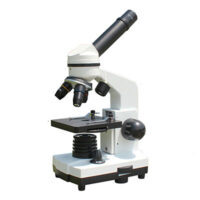
This style of microscope is ideal for:
-
Whole-class practical lessons
-
Basic cell and tissue observation
-
Building confidence with microscope handling
Digital Microscopes for Modern Classrooms
Digital microscopes are increasingly popular in schools because they allow observations to be shared on screens, supporting group discussion and inclusive learning.
USB Digital Microscopy
USB digital microscopes are well suited to:
-
Classroom demonstrations
-
Individual investigations connected to laptops
-
Capturing images for reports and assignments
👉 USB Digital Microscope – 2MP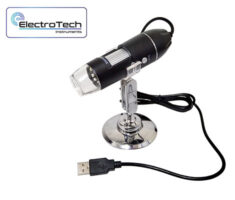
This type of microscope allows students to focus on observation and interpretation, without needing to crowd around a single eyepiece.
Binocular Microscopes for Senior Science
As students progress into Years 9–12 biology, binocular microscopes become increasingly valuable. They provide improved comfort and stability for longer observation sessions.
Digital Binocular Microscopes
Digital binocular microscopes combine traditional optics with built-in imaging, making them ideal for:
-
Teacher-led demonstrations
-
Advanced biology investigations
-
Capturing and reviewing observations
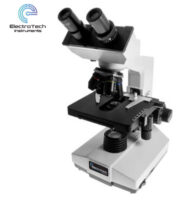
👉 Digital 3.0MP Binocular Microscope 1000×
Biological Binocular Microscopes
For schools that prefer optical-only solutions, a biological binocular microscope with multiple objectives provides flexibility across different magnification ranges.
👉 Biological Binocular Microscope – Quad Objective, LED Illuminated
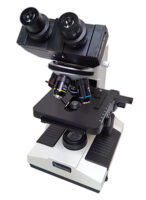
These microscopes are commonly used for:
-
Cell structure investigations
-
Comparative biology
-
Extended practical sessions
Prepared Slides: Essential for Immediate Practical Work
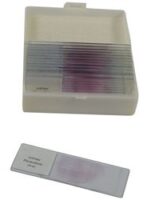
Microscopes are only as useful as the specimens students can observe. Prepared slides allow practical lessons to begin immediately, without time spent on slide preparation.
Biology Slide Sets
Prepared biology slides support:
-
Cell and tissue observation
-
Plant and animal studies
-
Consistent results across multiple classes
👉 Prepared Biology Microscope Slides – Set of 25
Zoology Slide Sets
Zoology slides extend observation into:
-
Animal tissues and structures
-
Comparative anatomy
-
Senior biology investigations
👉 Prepared Zoology Microscope Slides – Set of 50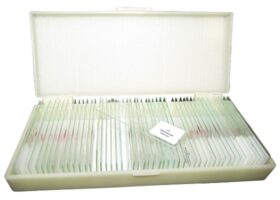
Having multiple slide sets allows classes to rotate efficiently without delays.
Final Thought
For many students, microscopes provide their first close look at the microscopic world. Clear, reliable equipment helps turn that moment into genuine scientific understanding.
Choosing the right microscopes — and having the right slides ready — sets science classes up for success from the very first week.
👉 Explore microscopes and microscopy accessories at www.wiltronics.com.au
© Electrotech Brands Pty Ltd 2026
Write a Comment
You must be logged in to post a comment.