

Power Supplies Explained: Choosing a Bench Supply for Your Lab
March 24, 2026
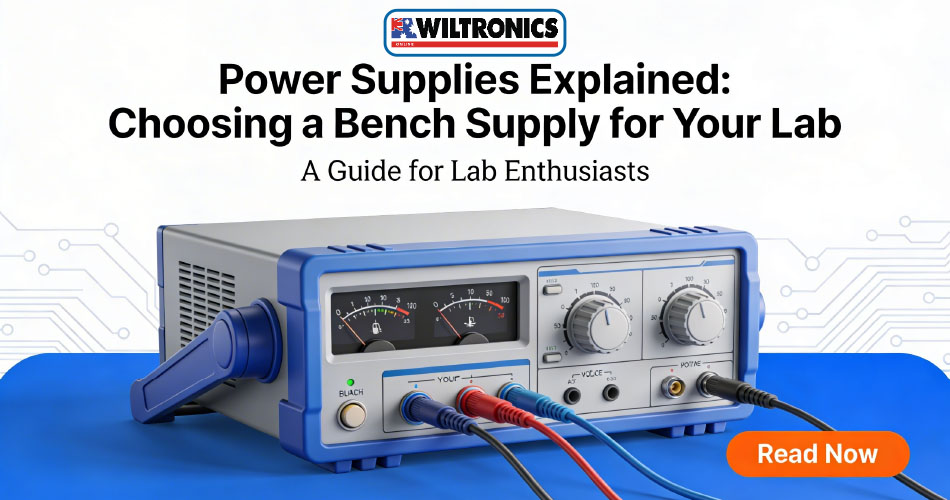
Power Supplies Explained: Choosing a Bench Supply for Your Lab
A reliable power supply is one of the most important tools in any electronics lab.
Whether students are building circuits, testing components, or running experiments, a stable and adjustable power source ensures accurate results and safe operation.
From STEM classrooms to professional workbenches, bench power supplies provide the control needed to explore electronics properly.
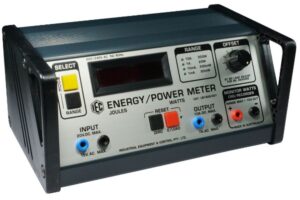
What Does a Bench Power Supply Do?
A bench power supply allows you to control:
• Output voltage
• Output current
• Power delivery to circuits
Unlike batteries, bench supplies provide adjustable, stable, and repeatable power, which is essential for testing and experimentation.
Why Power Supplies Matter in Electronics
Without a proper power source, circuits can behave unpredictably.
Bench power supplies allow users to:
✔ Safely power circuits
✔ Prevent component damage
✔ Test circuits under different conditions
✔ Control current limits to avoid faults
✔ Repeat experiments with consistent results
This makes them essential for both learning and professional electronics work.
Types of Bench Power Supplies
Different applications require different types of power supplies.
Single Output Power Supplies
These provide one adjustable voltage output and are ideal for most classroom and general electronics work.
Best for
• STEM classrooms
• Basic electronics experiments
• Arduino and circuit projects
Dual Output Power Supplies
Dual supplies provide two independent outputs, allowing more complex circuits to be powered simultaneously.
Best for
• Advanced electronics
• Operational amplifier circuits
• Senior physics experiments
Triple Output Power Supplies
These combine fixed and variable outputs, offering maximum flexibility.
Best for
• Laboratory environments
• Multi-circuit testing
• Advanced engineering work
Key Features to Look For
When choosing a bench power supply, consider the following:
Adjustable Voltage & Current
Precise control allows safe operation and protects components from damage.
Current Limiting
A critical safety feature that prevents excessive current flow and protects circuits.
Digital Displays
Clear readouts for voltage and current make it easier to monitor experiments.
Stability & Accuracy
Stable output ensures consistent and repeatable results.
Durability
Classroom environments require equipment that can withstand repeated use.
Power Supplies in STEM Education
Bench power supplies are used extensively in STEM programs to help students understand electrical principles through practical experiments.
They support learning in:
• Circuit construction
• Voltage and current relationships
• Ohm’s Law
• Component testing
• Fault finding
When paired with multimeters, students can measure and analyse real circuit behaviour.
Essential Accessories for Power Supplies
A power supply is most effective when used with the right accessories.
Banana Plugs & Test Leads
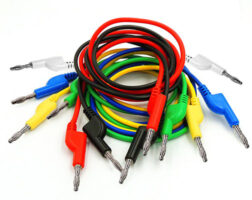
Secure connections are essential for stable circuits and accurate testing.
Multimeters
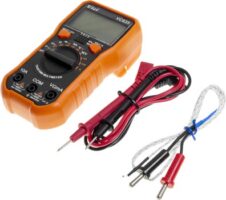
Used to measure voltage, current, and resistance during experiments.
Electronics Kits
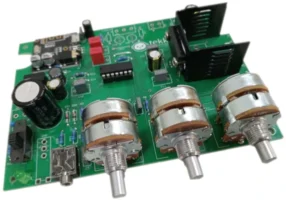
Provide structured projects that can be powered and tested using bench supplies.
Choosing the Right Power Supply for Your Lab
For most schools and workshops:
• Entry-level labs → Single output supplies
• Intermediate labs → Dual output supplies
• Advanced labs → Triple output or higher-capacity units
A combination of models often provides the best flexibility.
Explore the Full Range at Wiltronics
Wiltronics offers a wide selection of power supplies designed for education, electronics, and laboratory use.
Final Thought
A bench power supply is more than just a power source — it’s a critical tool for learning, testing, and understanding electronics.
With the right power supply, students and technicians can safely explore circuits, develop practical skills, and produce reliable results.
© Electrotech Brands Pty Ltd 2026
Write a Comment
You must be logged in to post a comment.