

Choosing the Right Microscope by Classroom Year Level
April 9, 2026
Choosing the Right Microscope by Classroom Year Level
At Wiltronics, we see microscopes as one of the most important tools in school science. They help students move from broad observation into close investigation, making biological concepts more visible, practical, and engaging. From junior science through to senior biology, the right microscope can make a real difference to how confidently students observe, compare, record, and interpret what they see.
Our microscope range includes biological monocular and binocular microscopes, stereo and dissection microscopes, USB and WiFi digital microscopes, portable microscope options, and microscope slides and accessories. This variety allows us to support different classroom needs across different year levels.
Why Year Level Matters When Choosing a Microscope
At Wiltronics, we believe microscope selection works best when it reflects how microscopy is actually used at each stage of learning. Students in Years 7 and 8 are usually building confidence with basic observation and prepared slides. By Years 9 and 10, they are often moving into cell structure, comparison, and more careful recording. At senior level, microscopy tends to become more detailed and investigation-based.
That progression matters. Not every classroom needs the same type of microscope, and not every microscope is best suited to every stage. In our view, the most effective school setups often include a mix of microscope types that align with how students learn and how practical science is taught across the year levels.
Years 7–8: Building Confidence with Simple, Durable Microscopes
At Wiltronics, we see Years 7 and 8 as the stage where students are first becoming familiar with microscope use. They are learning how to handle the equipment, focus clearly, view prepared slides, and describe what they observe. At this level, simplicity and durability matter.
For these classes, we find that straightforward biological microscopes are often the most practical choice. They give students a stable introduction to microscopy without adding unnecessary complexity too early.
Highlighted Product: Monocular Biological Microscope, 4x, 10x, 40x, LED
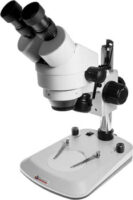
A strong example in our range is the MS1250A Monocular Biological Microscope. We see this as a useful microscope for introductory classroom work because it combines compact design with practical magnification levels. The 4x objective supports a wider field of view, the 10x lens is suitable for general observation, and the 40x lens allows closer viewing of smaller details. For junior students, that combination provides a solid foundation for learning how microscopy works.
We also recognise that not all early microscope use needs to happen in a formal bench setup.
Highlighted Product: Jiffyscope Portable x30 Microscope Kit

Our Jiffyscope Portable x30 Microscope Kit offers a different kind of introduction. We see it as a useful tool for quick observation, outdoor learning, and field-based exploration. For younger students, portable microscopes like this can help build curiosity and make observation feel more immediate and approachable.
Years 9–10: Moving into Structure, Comparison and Recording
At Wiltronics, we see Years 9 and 10 as the stage where microscope work becomes more analytical. Students are often expected to compare specimens, observe cell structures more carefully, and record their findings with greater detail. At this level, the microscope needs to support more confident and repeated use.
That is where standard biological microscopes become especially important. These models are well suited to classroom slide work involving cells and tissues, and they provide the reliability needed for repeated use across practical lessons.
Highlighted Product: Microscope Biological Monocular, 40x–400x, LED Illumination
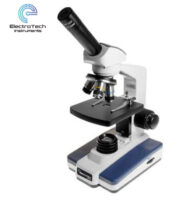
A good example from our range is the MS1020A Microscope Biological Monocular, 40x–400x. We see this as well suited to middle-year biology because it supports more detailed observation while remaining practical for classroom use. With built-in illumination and multiple objectives, it provides the level of performance needed when students begin moving beyond basic observation into more formal scientific work.
At this stage, we also see digital microscopy becoming more useful in teaching.
Highlighted Product: Wi-Fi Digital Microscope – USB, 2MP, 50x to 1000x
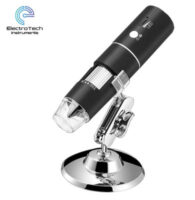
Our Wi-Fi Digital Microscope is a good example of how digital tools can support the classroom. Because it allows real-time image sharing to mobile devices and tablets, it can help teachers demonstrate specimens more clearly and support group discussion. In our view, digital microscopes can be especially useful when the goal is shared viewing, explanation, and image-based discussion rather than individual slide work alone.
Senior Science and Biology: Supporting Detailed Investigation
At Wiltronics, we see senior science and biology as the point where microscopy becomes more detailed, more sustained, and more independent. Students at this level often need clearer viewing, more precise control, and the ability to spend longer periods working with prepared slides and fine structures.
For that reason, stronger biological microscopes tend to become more relevant in senior classrooms. We find that more advanced models are better suited to the level of observation expected in higher-level biology.
Highlighted Product: Digital Binocular Microscope 1000x Magnification 3.0MP
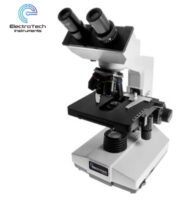
One strong example from our range is the Digital Binocular Microscope 1000x Magnification 3.0MP. We see this as a useful option for senior classrooms because it combines higher magnification, binocular viewing, and digital capability. For more advanced microscope work, that can support clearer observation, improved comfort, and easier image sharing or discussion.
In our view, binocular microscopes become especially valuable where students need to work for longer periods or focus on finer detail. Digital capability can also add value where teachers or students want to capture and review images as part of practical work.
Where Stereo and Dissection Microscopes Fit
At Wiltronics, we know that not all microscope work is about prepared slides. Some science activities are better supported by stereo or dissection microscopes, especially where students are examining larger or three-dimensional specimens.
This type of microscope can be particularly useful for observing insects, plant material, surfaces, and structures that benefit from depth perception rather than flat slide viewing.
Highlighted Product: Stereo Dissection Microscope with Illumination
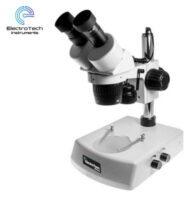
A strong example in our range is the Stereo Dissection Microscope with Illumination. We see this as well suited to practical specimen work because it supports comfortable viewing, useful working distance, and both incident and transmitted lighting. For schools teaching dissection or 3D specimen observation, microscopes like this can play an important role alongside standard biological models.
Digital Microscopy as a Teaching Tool
At Wiltronics, we see digital microscopes as an important complement to traditional classroom microscopy. They do not replace standard biological microscopes in every setting, but they can add real value in teaching and demonstration.
Digital microscopes are especially useful when teachers want to project images to a screen, capture images for reports, or guide the whole class through a specimen together.
Highlighted Product: Microscope Digital Pen, USB, 5MP, on Stand
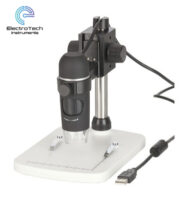
Our 5MP USB Digital Microscope with Professional Stand is a good example of this category. We see it as particularly useful for demonstrations, surface inspection, and projected viewing. Because it includes a stand with fine adjustment and broad swivel range, it supports more stable and controlled observation in classroom use.
Why Slides and Accessories Matter
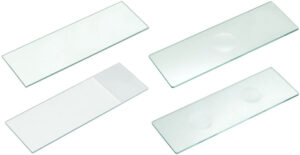
At Wiltronics, we do not see microscope selection as only about the microscope itself. Slides, lamps, and supporting accessories also matter. Even a capable microscope is limited without suitable specimens, prepared slides, and the equipment needed to keep it in regular classroom use.
That is why we believe schools often benefit from thinking in terms of a complete microscopy setup rather than a single item. In our view, the most useful classroom approach combines suitable microscopes with the accessories and specimen resources that allow teachers to use them effectively across different year levels.
A Practical Way to Plan by Year Level
At Wiltronics, we find it useful to think about microscope planning in stages.
For Years 7–8, we generally see the best results with simple, easy-to-use biological microscopes and portable introductory options that help students build confidence with observation.
For Years 9–10, we see greater value in stronger biological microscopes that support cell work, comparison, and more formal recording, with digital microscopes becoming increasingly useful for shared viewing and explanation.
For senior classes, we usually recommend more advanced biological microscopes, including binocular and digital-capable models where appropriate, supported by stereo or dissection microscopes when three-dimensional specimen work is important.
Final Thoughts
At Wiltronics, we believe the best classroom microscope choice depends on how students will use it at each stage of learning. Junior classes usually need simplicity and confidence-building. Middle years need microscopes that support closer observation, comparison, and recording. Senior students need equipment that can support more detailed and sustained investigation.
That is why our microscope range covers more than one type of classroom need. We aim to support slide work, 3D specimen viewing, digital demonstration, and portable observation across a range of school science contexts.
When microscopes are matched well to year level, they become more than just lab equipment. In our view, they become practical tools that help students build observation skills, investigate living systems, and engage more deeply with science.
© Electrotech Brands Pty Ltd 2026
Write a Comment
You must be logged in to post a comment.